
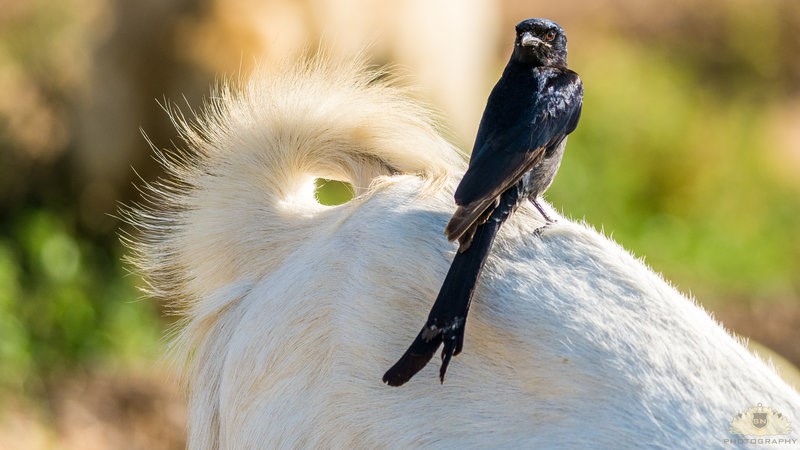
Wildlife is a significant part of an ecological system and plays an integral role in biological process that are essential for the preservation of natural life. Different counties have protected areas for the conservation of nature. Pakistan also has a vast system of protected areas that is very crucial for the protection of world biodiversity. International Union for Conservation of Nature and Natural Resources (IUCN) describes protected area as “a clearly defined geographical space, recognized, dedicated and managed, through legal or other effective means, to achieve the long term conservation of nature with associated ecosystem services and cultural values”.
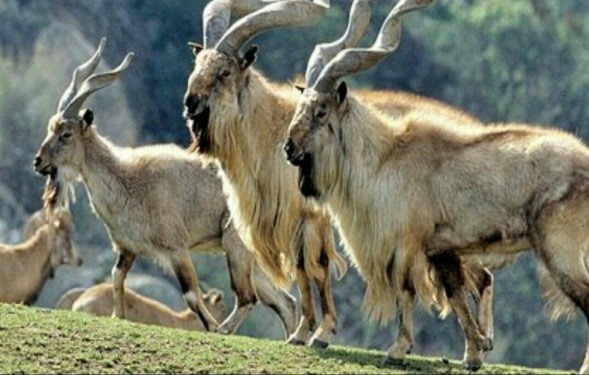
Pakistan is a diverse country with various ecosystems existing within a wide range of ecological zones like dry tropical deserts, thorn forests, dry and moist temperate coniferous forests, Indus delta and coastal wetlands, semi-arid scrub lands of Pabbi hills of Pothwar region, subtropical evergreen scrub forests, and cold deserts occurring around Karakorum, Himalayas and Hindu Kush mountains. The greatest threats faced by wildlife in Pakistan include degradation of natural habitat and loss of species by illegal trade and hunting. Forests are undergoing degradation, freshwater and marine ecosystem is going towards destruction. A greater concern for Pakistan is the extinction of many native species; some species are already extinct, many are internationally threatened, and more still are of national concern. Many animals in our country (Markhor, Chakor, leopard, Marco Polo Sheep, Indus river dolphins and many other) are near extinction. It is estimated that at least 12% of the flora is also threatened.
In late 1960s and early 1970, under the Wildlife Act, National Parks, Wildlife Sanctuaries and Game Reserves were established in Pakistan for conservation of species. There are total of 25 National Parks, 83 Game Reserves, 79 Wildlife Sanctuaries and 114 Community Conservation Areas covering 12.54% of the area of Pakistan.
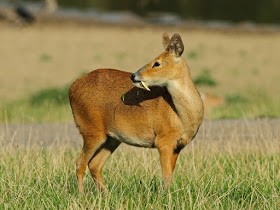
Large cities of Pakistan are buzzing with car horns, shopping malls and congested housing schemes. A few decades ago, these cities were rich with wildlife mainly colorful birds. Once, Karachi was a natural habitat for Chinkara deer, leopards and different birds. Precious wildlife is no more due to human interference and illegal hunting. Chinkara deer was last seen in outskirts of Karachi in the year 1994. Cutting of trees and grasslands for wood, and construction purposes has deprived parrots and sparrows of their nestling places. Leopards were once commonly seen in Margalla Hills, Islamabad but now deforestation and fires have took tool on them. It is listed as ‘threatened species’ on IUCN Red List.
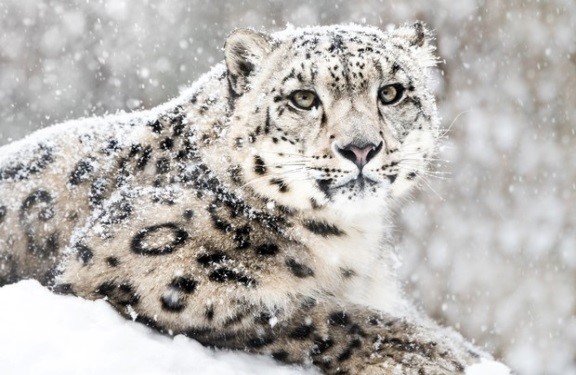
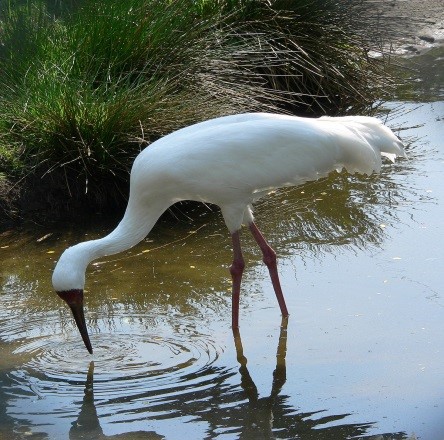
According to the report of Wildlife of Pakistan a few animals including Siberian Crane, Balochistan Back Bear, Snow Leopard, Chiltan Goat, Houbara Bustard, Asiatic Cheetah, Hangul, White Rumped Vulture, Long Billed Vulture, and Hawksbill Turtle are vulnerable to extinction. There are other animals that are endangered e.g. Indus Dolphin, Finback Whale, Green Turtle, Balochistan Beer, Musk and Hog Deer.
Government of Pakistan is continuously trying to improve the overall status of environment in the country but it is utterly disappointing to know that the efforts made by government for the conservation of wildlife are not enough. There is a dire need to adopt strict measures, to make strict laws to preserve these endangered species before it’s too late. Most important issue regarding development of protected areas according to international standards is enforcement of existing laws in more effective mode. Although laws related to environmental protection have formulated since the independence of Pakistan but their implementation is very rare or partial. Current thinking on protected area management is that, to be effective, the communities living near the area should have a hand in management and should derive some benefits from the area.
by: Abeer Arshad
Tags: Wildlife Conservation in Pakistan




Leave a Reply
You must be logged in to post a comment.