
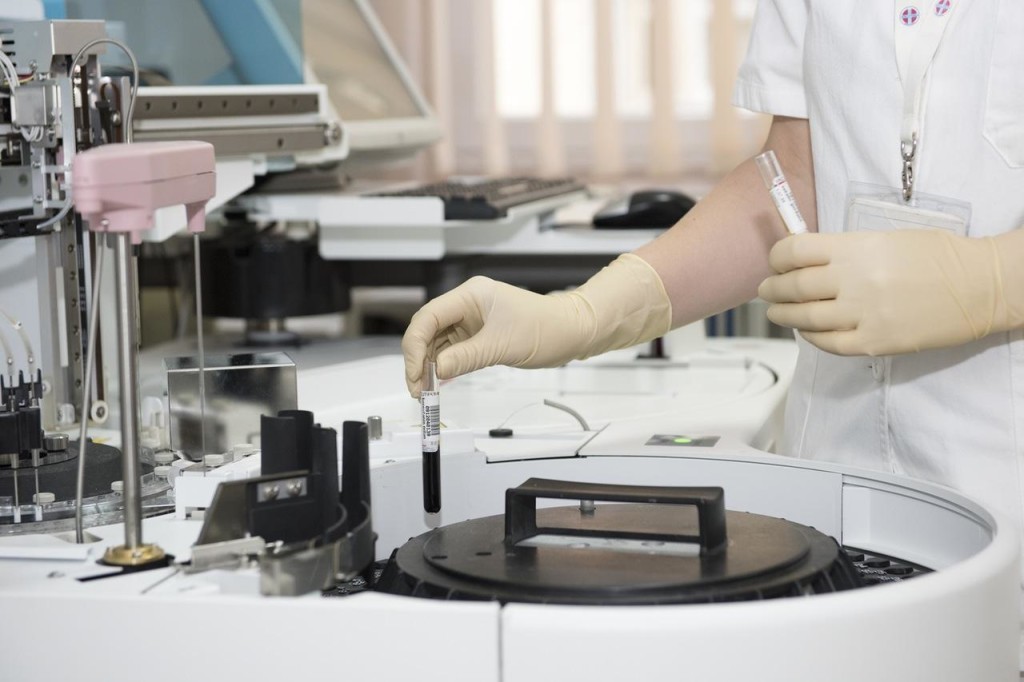
The medical field is experiencing a phase of rapid technological advancement. The growing size of medicine and the need to cut costs, along with influence from the general growth in the technology sector, is fueling a wave of innovation not just in care itself, but in the entire medical business model. The way patient information, test results, and other data moves and flows is changing in a way that will fundamentally alter the patient-doctor relationship. In this post, we will list three major innovations that promise to disrupt medicine in a positive way, leading to a better patient experience and safer, more efficient care delivery.
Electronic Medical Records
EMR is a hot topic, and for good reason. The federal government has been attempting to push care providers into EMR for many years, and the Affordable Care Act gave that initiate a significant amount of teeth. At the same time, the rise of robust and user-friendly systems has finally begun to give providers some appealing choices for their software. EMR makes a lot of promises- the ideal end goal will combine complete electronic transparency between everyone who needs to know a patient’s information (eg, the care team) and security to protect the patient’s privacy. It’s still going to be years before EMR systems can truly store all of a patient’s relevant medical information and act as a central repository, but it is certainly a much more realistic goal that it was five years ago. When that day comes, collaboration between providers will become seamless and mistakes related to mis-filed information or missing data will drop significantly.
Data Centralization
At the heart of the EMR revolution is the idea that it won’t just be records of patient visits that get stored in the system- it will be everything. All test results, vital signs, labs, family history information, prescription details, lifestyle information, behavioral health history, and anything else medically relevant will be present in one central record. That way, providers in other locations can access all of the most recent information instantly and deliver rapid consultations. This would, for example, make it far easier for a patient’s primary care physician and their surgeon in a hospital located miles away to discuss the case. Imagine all of the convenience and speed of the PACS system, but extended to every type of test and imaging and stored in one central interface. Any provider would be able to share any information with any other provider with a few clicks. The potential improvement to collaboration and transparency would be enormous.
Cloud Computing
The digitization of so much information and the infrastructure for storing and manipulating that data pose a significant IT challenge. However, the business world has already come up with a good solution for organizations who have a lot of data, but not much onsite infrastructure of their own: cloud storage. A hospital, for instance, could make a contract with a cloud service provider to host all of their EMR software and data. Modern cloud tech allows for rapid mobile access, so doctors with tablets would have no trouble accessing anything they need. Cloud computing provides for powerful security and redundant storage for safety, and the cloud is also quite scalable. Care providers can hand over all of the under-the-hood IT details to an external cloud vendor so they do not need to worry about maintaining their own system. This frees up resources for care delivery.
It should be clear by now that the loosely-connected group of ideas and tools that make up the entire EMR field will only grow in importance. Expect to see leading hospitals start to adapt these three concepts as they modernize the way they record and store data. This will promote better care, better research, and better operations management.
By: Dennis Hung
Tags: Future of Medical Technology, health, technology




Leave a Reply
You must be logged in to post a comment.